

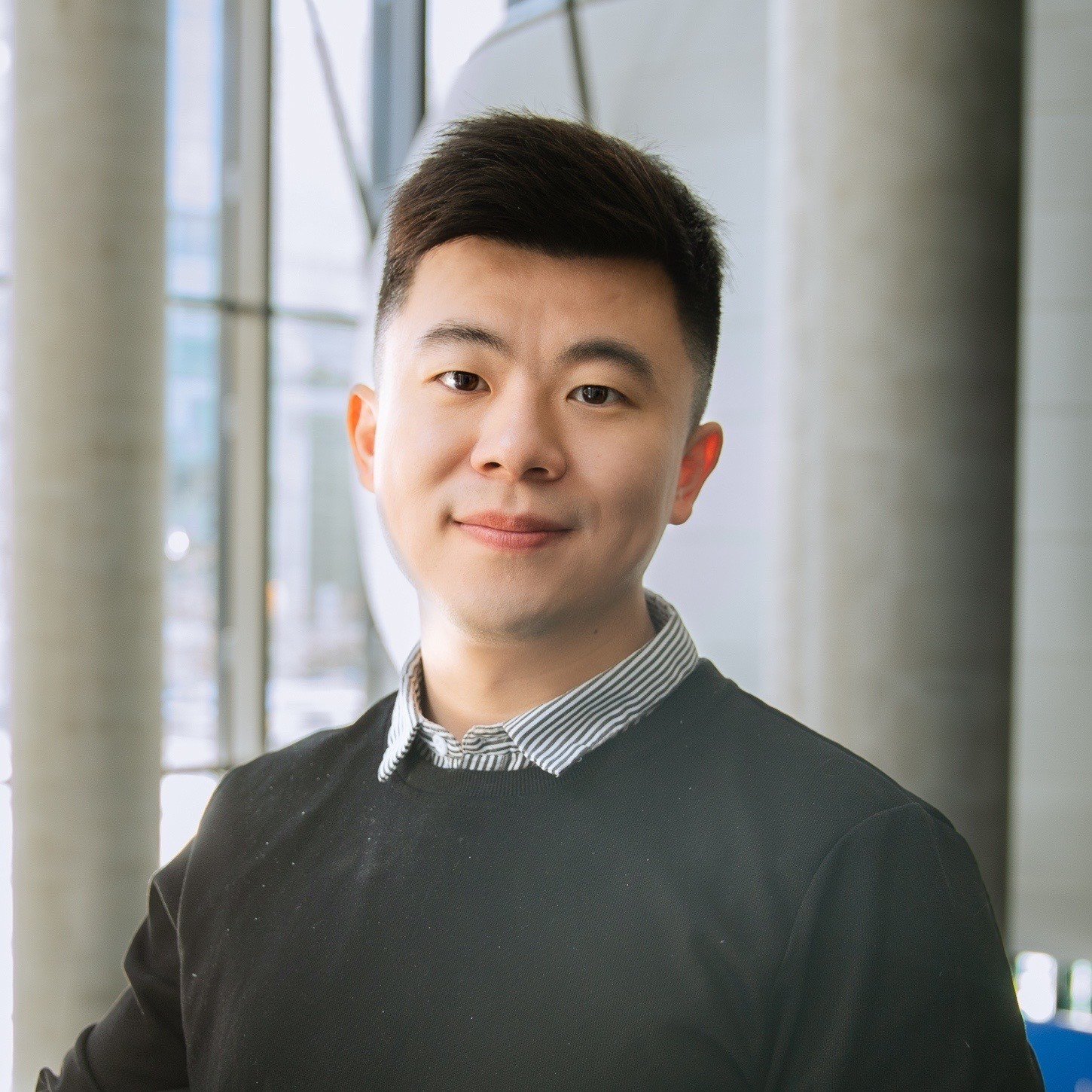
Bowen Li, PhD
Assistant Professor, University of Toronto
United in Our Mission to Cure Rare Disease
Bowen Li, PhD
2024 Oxford-Harrington Rare Disease Scholar
A nucleic acid therapy to treat cystic fibrosis, an inherited lung disease
From earning his PhD (with a doctoral thesis on drug delivery) at the University of Washington, Seattle, to Boston, where he studied drug delivery systems at MIT, to opening his own lab in Toronto, Dr. Li has relentlessly pursued the goal of building effective drug delivery systems to treat rare diseases.
“My interest in rare diseases stems from their profound unmet medical needs,” he said. “As a scientist, I’m drawn to challenges where innovation can significantly improve lives.”
Dr. Li’s research focuses on using lipid nanoparticles to deliver nucleic acids (the information-carrying genes in cells) to mutated, disease-causing cells.
Thanks to their tiny size, the nanoparticles can deliver therapies to cells that other delivery methods can’t reach.
“The beauty of the lipid nanoparticles is that we can very precisely deliver drugs directly into the cells that cause the diseases,” Dr. Li said. “By leveraging lipid nanoparticles as delivery vehicles, we aim to deliver therapeutic RNA molecules that can overcome cellular genetic mutations.”
This innovative approach has the potential to transform treatment by addressing the root cause of the disease, significantly improving quality of life and clinical outcomes—especially for patients who have limited therapeutic options.
Supported by the Oxford-Harrington Rare Disease Centre (OHC), Dr. Li’s work exemplifies the mission of the OHC: advancing bold science into treatments that bring new hope to patients with rare diseases. The OHC connects academic researchers with the funding, resources, and commercialisation expertise needed to accelerate groundbreaking discoveries.
This delivery platform is versatile and can be tailored for many rare diseases, or for subsets of patients with a rare form of more common diseases, such as cystic fibrosis or muscular dystrophy. By providing support to scientists like Dr. Li, the OHC ensures innovative research has the best chance of success.
“This therapeutic approach aligns perfectly with the needs of rare disease populations, offering hope for individuals suffering from conditions that currently lack effective treatments,” Dr. Li said.