
News
Matthew Anderson, MD, PhD, OHC Co-Director, Appointed Visiting Professor at the University of Oxford
March 19, 2026
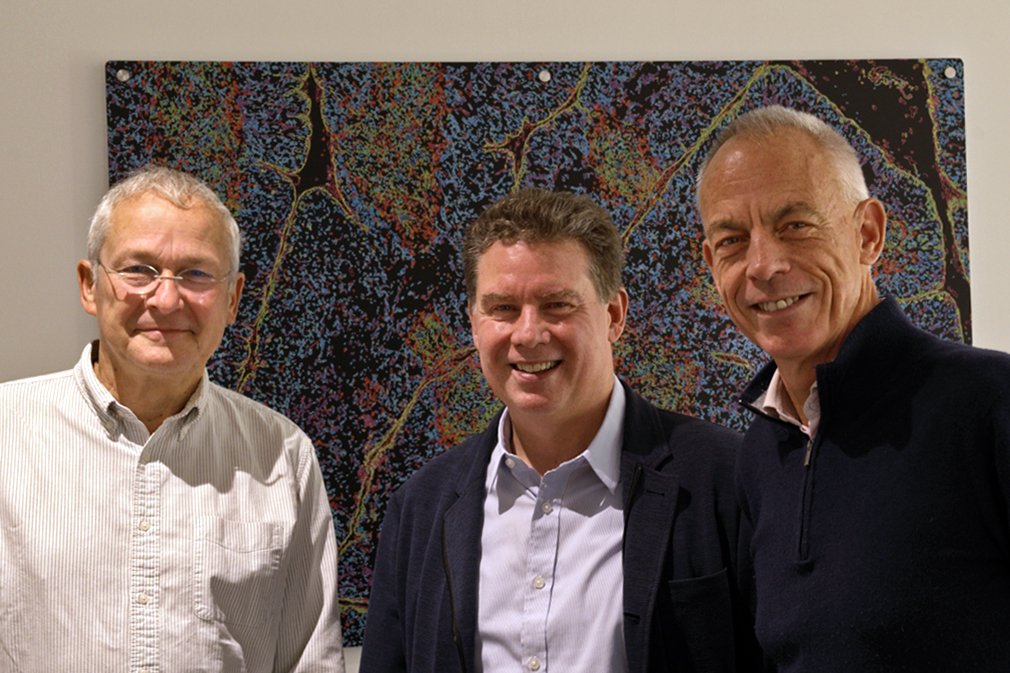
The University of Oxford has appointed Matthew P. Anderson, MD, PhD, as a Visiting Professor in its Department of Paediatrics—an honour that reflects both his scientific accomplishments and his longstanding collaborations with leading Oxford researchers.
Widely recognised for his expertise in neuropathology, genetics, and neuroscience-driven therapeutics, Dr Anderson brings a rare combination of academic depth and industry experience. His career spans Harvard Medical School, Regeneron, Case Western Reserve University, and Harrington Discovery Institute at University Hospitals, where he serves as Investigator and Co-Director of the Oxford-Harrington Rare Disease Centre (OHC).
What This Visiting Professorship Means
As a visiting professor, Dr Anderson will contribute to Oxford’s research and teaching ecosystem by:
- Collaborating on high-impact research with Oxford neuroscientists working at the intersection of genetics, neurodevelopment, and emerging therapeutic technologies
- Mentoring trainees and junior faculty, sharing insights from both academia and drug development
- Teaching specialised courses and seminars, particularly in neuroimmune mechanisms, human behavioural circuits, and translational therapeutics
“Oxford’s scientific environment is one of the most creative and collaborative in the world. I’m honoured to join the community more formally and to strengthen the work we’re doing through the OHC. Together, we have an opportunity to accelerate discoveries that can meaningfully improve the lives of people living with rare neurological diseases.” — Matthew P. Anderson, MD, PhD
Advancing Research Aligned with the OHC Mission
Dr Anderson’s appointment builds on years of joint work with Oxford leaders, such as:
- Professor Matthew Wood, Director and Chief Scientific Officer of the OHC and a pioneer in RNA therapeutics
- Professor Stephan Sanders, Director of the MRC Centre for Therapeutic Genomics
- The wider community of Oxford neuroscientists focused on rare diseases, neurodevelopment, and emerging genetic tools
These collaborations position Dr Anderson to help accelerate experimental therapeutics in disorders where new mechanistic insights are rapidly emerging.
Scientific Focus Areas
Dr Anderson’s research at Oxford will centre on several cutting-edge areas, including:
Human-specific neurodevelopmental, regenerative, and evolutionary mechanisms enabled by disease gene regulation by SVA retrotransposons and SVA-lncRNA
- T-cell immunity targeting neuronal circuits in human behavioural disease (autism, obesity, suicide, addiction)
- Human behavioural circuit mechanisms using conditional mouse genetic models of disease (aggression, sociability, epilepsy, others)
- Neurotherapeutics in the context of the above
- Oxford-Harrington Rare Disease Centre, Co-Director – building research collaborations with OHC members in Oxford
Key Scientific Contributions Underpinning New Therapeutic Approaches
Dr Anderson’s appointment reflects a body of work that has directly shaped modern approaches to treating genetic diseases. His research into cystic fibrosis helped define disease mechanisms and therapeutic targets that underpinned the development of transformative small-molecule therapies, contributing to a shift from markedly shortened life expectancy to near-normal lifespans for many patients.
His past and ongoing work in epilepsy led to the discovery that arrested neurodevelopment underlies a genetic form of human epilepsy caused by dominant-negative mutations in the LGI1 gene — a field demonstrating the therapeutic potential of nucleic acid–based approaches.
Dr Anderson's work has also advanced our understanding of neuroimmune interactions by identifying CD8 T-cell-mediated pathology targeting the astrocyte glial limitans, helping to explain inflammatory signals observed in autism.
Strengthening a Transatlantic Model for Rare Disease Innovation
Dr Anderson will help build deeper connections between UK and US scientists working to transform rare disease research. His background in academic medicine, molecular neuroscience, and pharmaceutical development provides a critical bridge between discovery and clinical translation.
This appointment marks an exciting opportunity to enhance collaboration, mentorship, and therapeutic innovation across institutions. Dr Anderson’s creativity, curiosity, and translational expertise make him a powerful addition to the Oxford community and further reinforce the shared Oxford-Harrington commitment to advancing life-changing treatments for people with rare diseases.