
News
My son was lost to a rare disease 17 years ago. Now the outlook for patients is so much brighter.
March 06, 2026
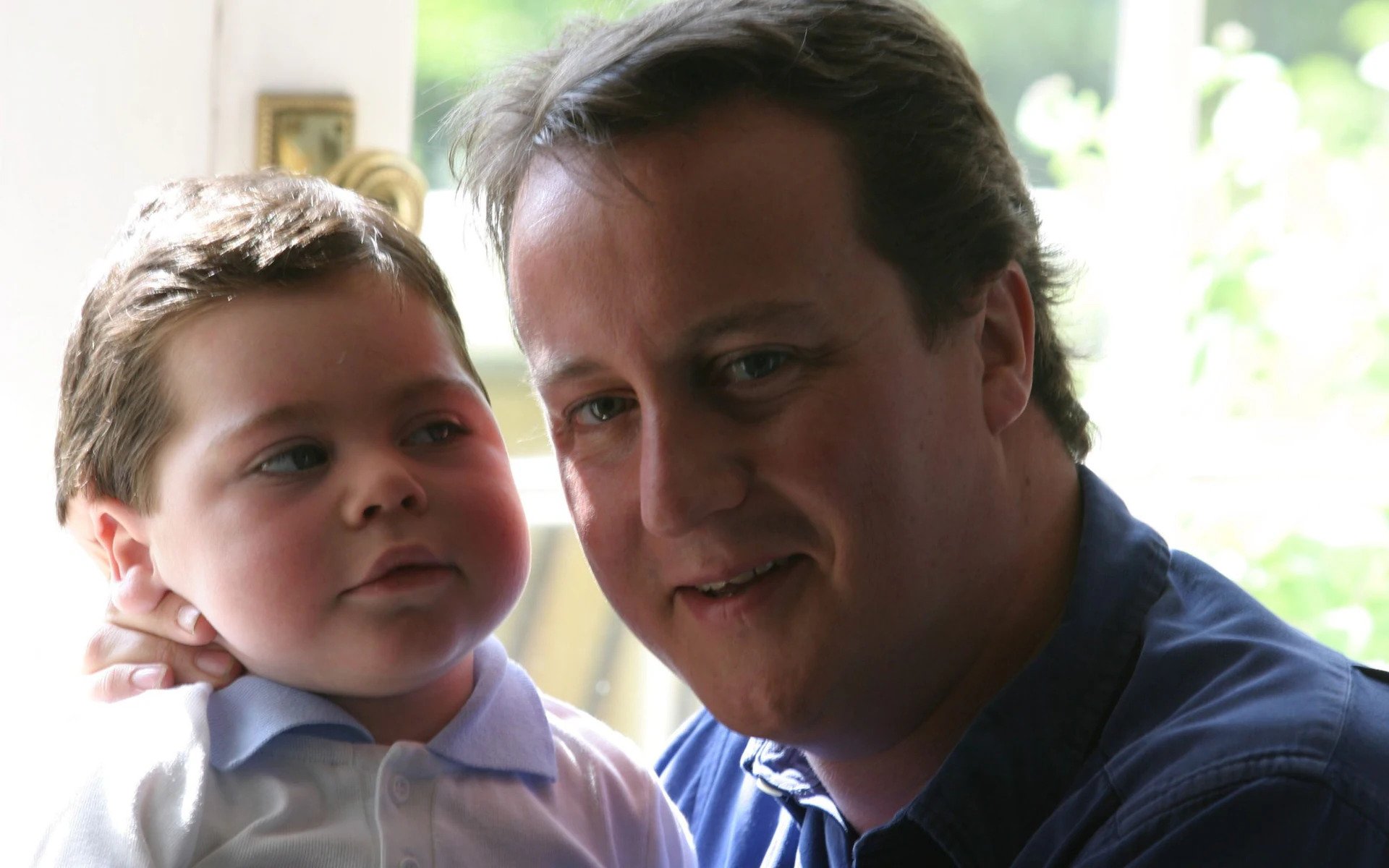
Op-Ed Authored by David Cameron, former UK Prime Minister and Chair of the OHC Advisory Council, published in The Daily Telegraph on Saturday, Feb. 28, 2026 (Rare Disease Day)
On Rare Disease Day (February 28, 2026), David Cameron, former UK Prime Minister and current Chair of the Oxford-Harrington Rare Disease Centre (OHC) Advisory Council, authored a powerful op-ed in The Daily Telegraph reflecting on personal loss, scientific progress, and renewed hope for families affected by rare diseases.
David Cameron’s son, Ivan, who passed away in 2009 at the age of six, was one of only a few hundred children worldwide diagnosed with Ohtahara Syndrome, a rare neurological condition. At the time of Ivan’s birth in 2002, genetic answers were limited. Today, rapid and affordable genome sequencing is transforming diagnosis, enabling clinicians to identify the precise genetic causes of many rare conditions and giving families long-awaited clarity.
In his article, David Cameron highlights the critical role of genomics initiatives in the UK and US, as well as growing pharmaceutical investment in rare diseases, an area increasingly recognised for its potential to unlock insights into more common conditions such as heart disease and cancer.
He also underscores the importance of the Oxford-Harrington Rare Disease Centre, a transatlantic partnership between the University of Oxford and the Harrington Discovery Institute. OHC supports promising early-stage drug development programmes at a pivotal stage, providing the expertise, mentorship, and resources needed to de-risk and advance therapies toward patients. The Centre now has more than 50 drugs in development and continues to add ten new programmes each year, working toward its goal of advancing 40 new rare disease medicines to clinical trials by 2034.
David Cameron points to recent regulatory reforms and strengthened commercial incentives in the UK and US as further signs that the environment for rare disease innovation is rapidly improving.
Nearly 17 years after losing his son, he writes that families facing rare disease diagnoses are increasingly hearing words like “hope” and “treatment” rather than only “management” and “care.” As he concludes, the outlook for rare disease patients is now brighter than ever.